
CHANGING THE CULTURE OF ADULT CARE ACROSS MISSOURI

JOIN US FOR ONE OF OUR UPCOMING REGIONAL MEETINGS
JOIN US FOR ONE OF OUR UPCOMING REGIONAL MEETINGS

-
Join Us for our Farmington Regional Meeting
Alzheimer’s Association Brain Health and Research Update
To share the mission of the Alzheimer’s Association through a focus on brain health and what people can do to protect their brain health.When: Friday, November 20, 2026
Time: 12:00 pm - 2:00 pmWhere: Farmington Public Library
101 N. A Street
Farmington, MO 63640 -
Join Us for our Poplar Bluff Regional Meeting
Oral Care in Long-Term Care
Good oral health is an important part of maintaining the overall health, comfort, dignity, and quality of life of individuals living in long-term care. This presentation will provide practical information on oral care needs commonly seen in the long-term care settings.When: November 6, 2026
Time: 10:30am - 12:00pm
Where: Poplar Bluff Library - Dr. Gus T Ridgel Branch
3398 Kanell
Poplar Bluff, MO 63901 -
Registration Coming Soon -- In-Person St. Louis Regional Meeting
Caring for Resident dealing with Dementia
This course provides caregivers with an overview of dementia, including common symptoms, disease progression, communication techniques, and person-centered care strategies.When: Friday, November 20, 2026
Time: TBD
Where: TBD
MC5 Leadership Brief….From the desk of Our Very Own President, Mr. Troy Culbertson
Discipline of Presence: Connecting through Engagement
Presence is one of the most powerful—and often underutilized—leadership behaviors. Presence is defined as full attention and engagement in the current moment without distraction.
In practice, this means leaders are not simply available, but are intentionally focused on the individual in front of them. In high-paced healthcare environments, competing priorities often pull attention in multiple directions. As a result, interactions can become task-oriented rather than relationship-centered. However, experience consistently demonstrates that outcomes are influenced not only by the completion of tasks, but by how individuals feel during those interactions.
For example, a staff member may receive the information they need during a quick hallway conversation, but if the leader is distracted, checking a phone, or rushing away, the interaction may leave the staff member feeling unheard or undervalued. In contrast, a brief but fully present interaction—even lasting less than a minute—can build trust, reinforce engagement, and strengthen relationships.
Presence functions as a leadership multiplier, amplifying the effectiveness of every interaction. When leaders are fully engaged, communication improves, misunderstandings decrease, and individuals are more likely to share concerns, ideas, and feedback. This is particularly critical in care environments where early identification of issues can impact both quality outcomes and staff morale.
Consider two common leadership scenarios:
During rounding, a leader asks a staff member, “How are things going?” but continues walking while listening. The response is often brief and surface-level.
In contrast, when the leader pauses, makes eye contact, and listens attentively, the conversation often becomes more meaningful, revealing opportunities for support, recognition, or improvement.
The difference is not the question—it is the level of presence.
In practice, leadership presence is demonstrated through consistent, observable behaviors. These include eliminating distractions such as mobile devices, maintaining eye contact, listening without interruption, and responding thoughtfully rather than reactively. These behaviors signal respect, attentiveness, and professionalism. Importantly, presence cannot be simulated; individuals are highly attuned to whether attention is genuine or divided.
The impact of presence extends beyond individual interactions and directly shapes organizational culture. Leaders establish the behavioral standard for their teams. When leaders consistently demonstrate presence, staff begin to model those same behaviors in their interactions with residents, families, and colleagues. This creates a shift from a transactional approach—focused primarily on completing tasks—to a relational approach that prioritizes connection, dignity, and person-centered care.
For example:
A nurse who feels genuinely heard by a supervisor is more likely to listen attentively to a resident’s concerns.
A care partner who experiences respectful, present communication is more likely to provide the same level of engagement during care routines.
Over time, these repeated behaviors create a ripple effect throughout the organization, strengthening trust, improving communication, and enhancing the overall experience for residents and families.
Leadership presence is also foundational to connection. Individuals who feel seen, heard, and valued are more likely to engage, collaborate, and contribute to positive outcomes. Presence communicates a clear and immediate message: that the person and the moment matter. This aligns with broader leadership principles that emphasize connection as a prerequisite for influence, accountability, and sustained performance.
There are practical, immediate opportunities to embed presence into daily leadership routines. Leaders can:
Commit to being fully engaged in key conversations, particularly during rounding and team interactions
Pause before responding to ensure understanding rather than reacting quickly
Prioritize listening before moving to problem-solving
Create intentional moments of connection, even within brief interactions
For example, during a busy shift, a leader may only have a few minutes to check in with staff. Choosing to be fully present during that brief interaction—rather than multitasking—can significantly increase its impact. Similarly, during difficult conversations, presence helps ensure that individuals feel respected and supported, even when addressing challenges or performance concerns.
It is important to note that presence does not require additional time, staffing, or financial resources. Instead, it requires consistency and intentionality in how leaders engage. Small, repeated moments of presence have a cumulative effect, gradually strengthening relationships and improving organizational culture.
Presence should not be viewed as an additional leadership responsibility; rather, it is the manner in which leadership is demonstrated in every interaction. Leaders who consistently practice presence enhance trust, improve communication, and support a more engaged and responsive workforce. Ultimately, presence transforms routine exchanges into meaningful connections, reinforcing the organization’s commitment to person-centered care and long-term success.
Leadership challenge:
Model Device-Free Engagement: Intentionally eliminate distractions during interactions, particularly during rounding and coaching conversations.
Prioritize Listening First: Consistently listen fully before responding or moving to problem-solving. Don’t interrupt with a fix.
Pause and Engage: Create moments of intentional connection by stopping, making eye contact, and giving full attention—even in brief interactions.
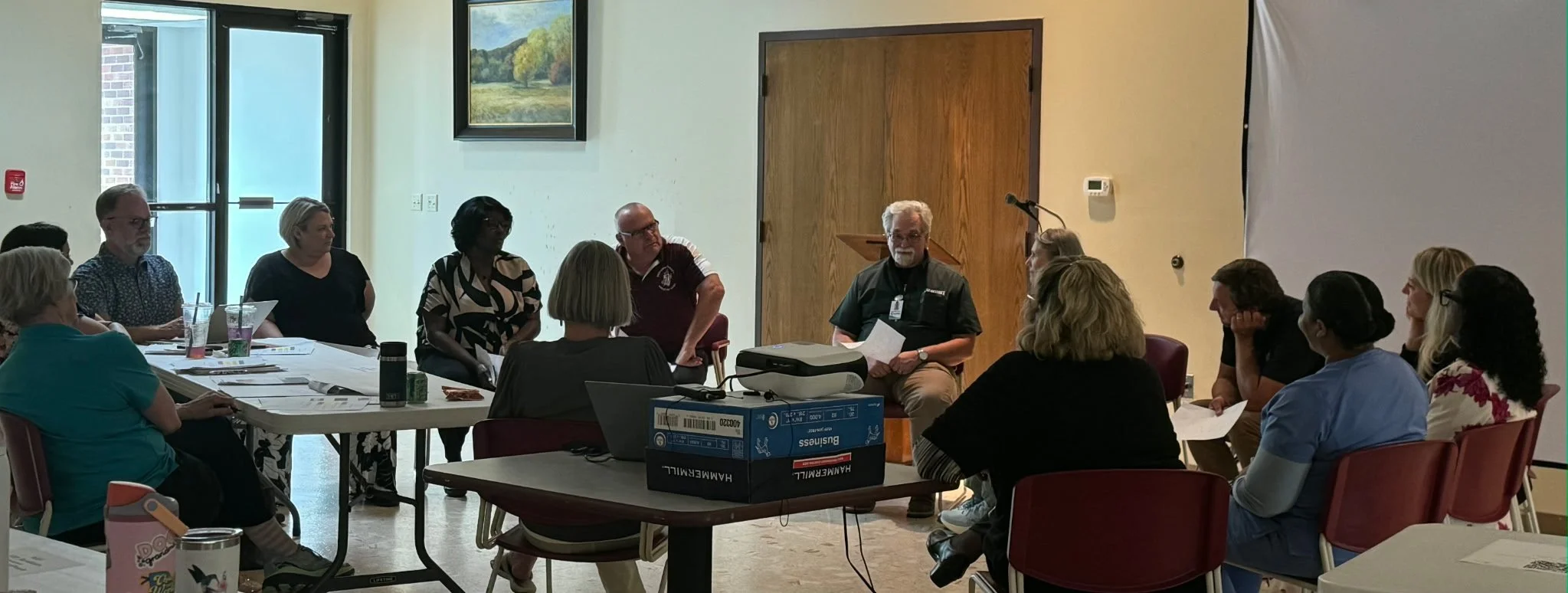
Liberty Roadshow 2026
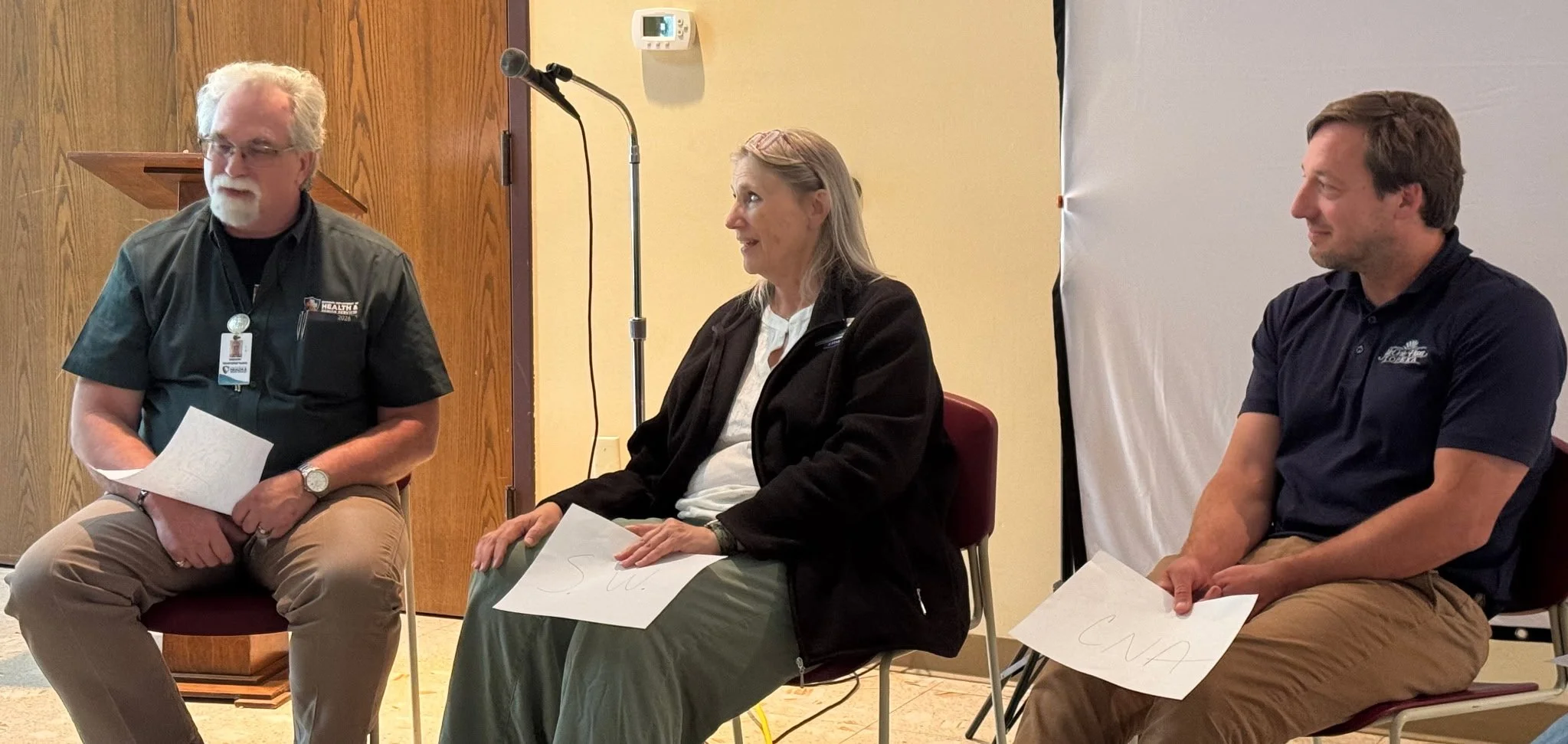
Liberty Roadshow 2026 - the dialog is key
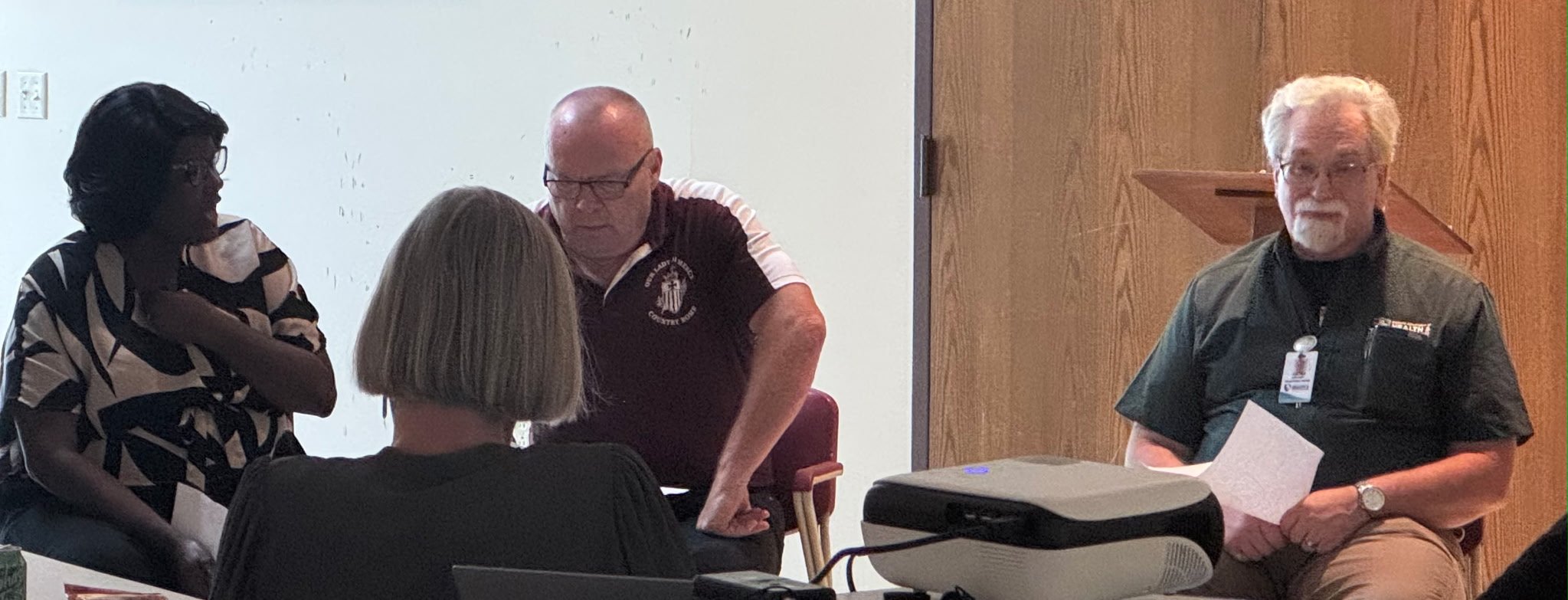
Liberty Roadshow 2026
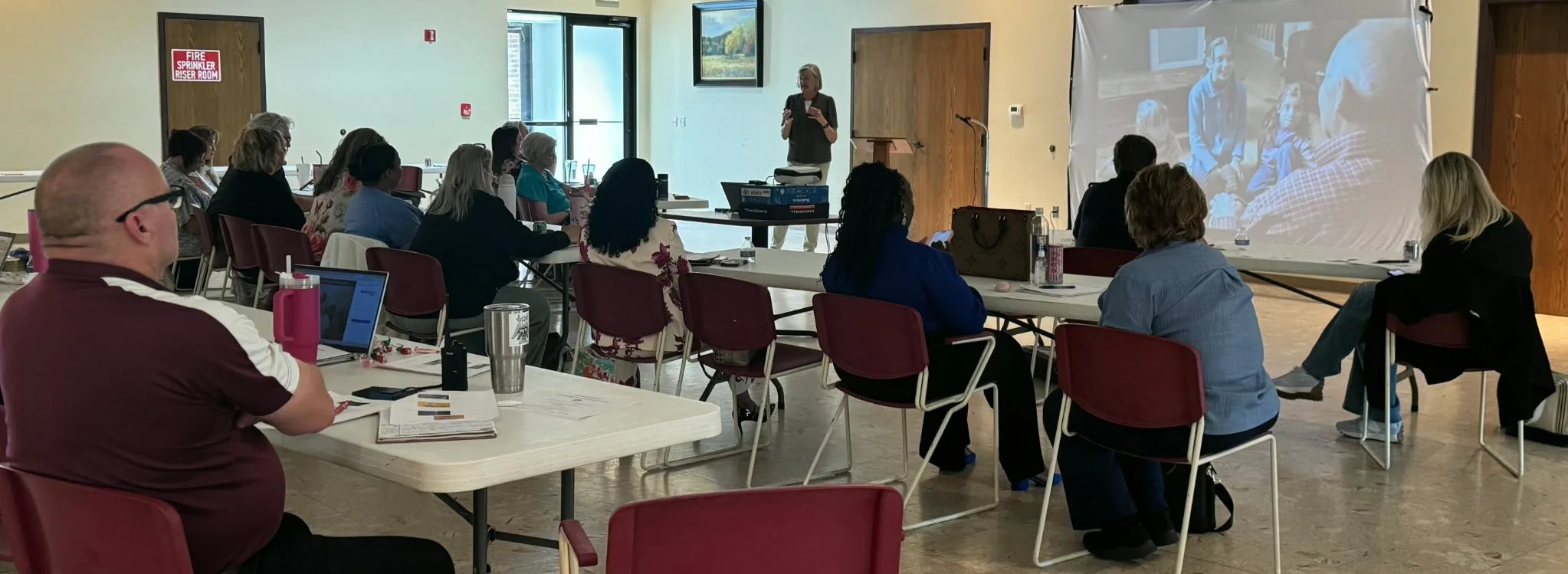
Ruth Minnema speaking in Liberty at Summer Roadshow 2026
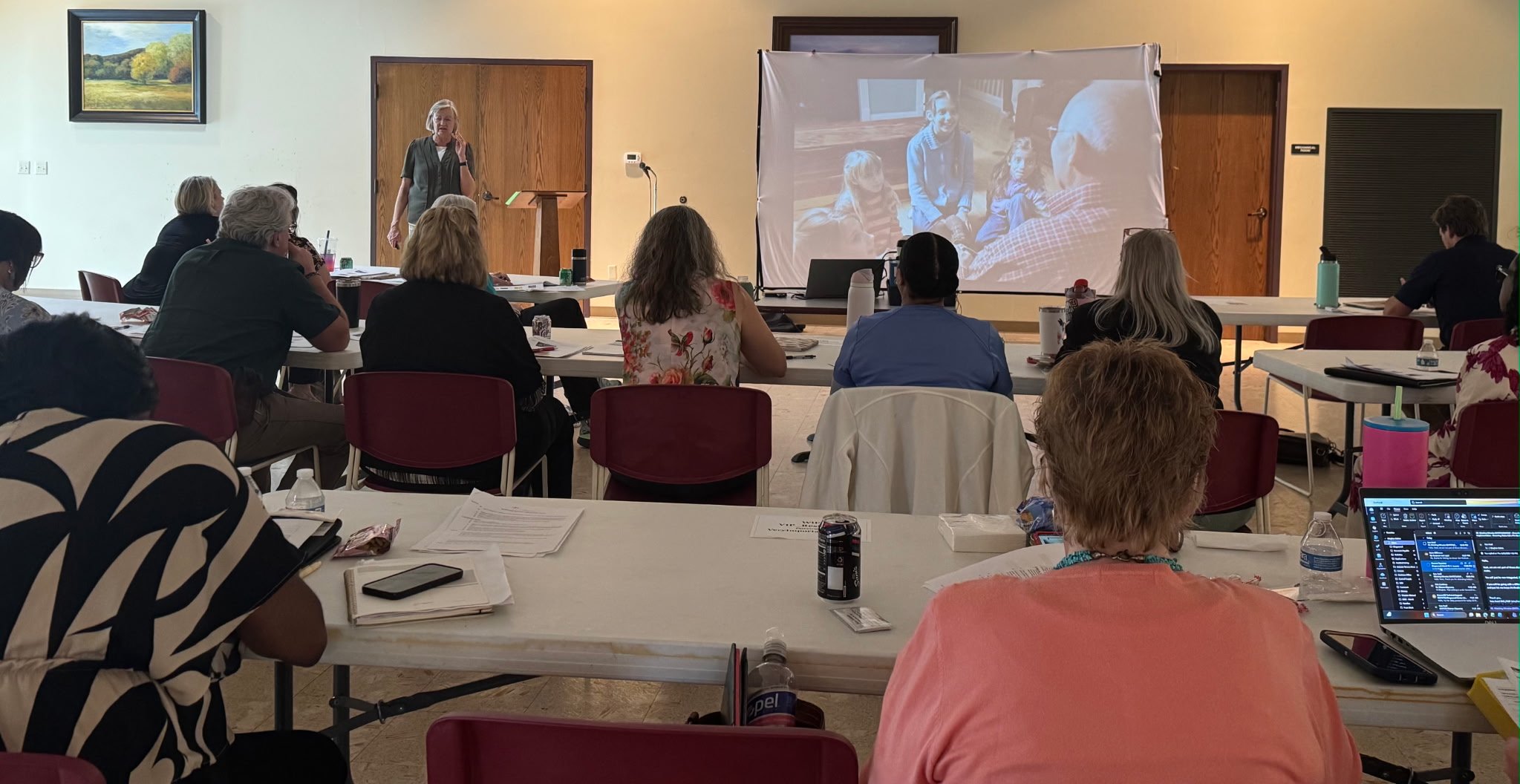
Liberty Summer Roadshow 2026
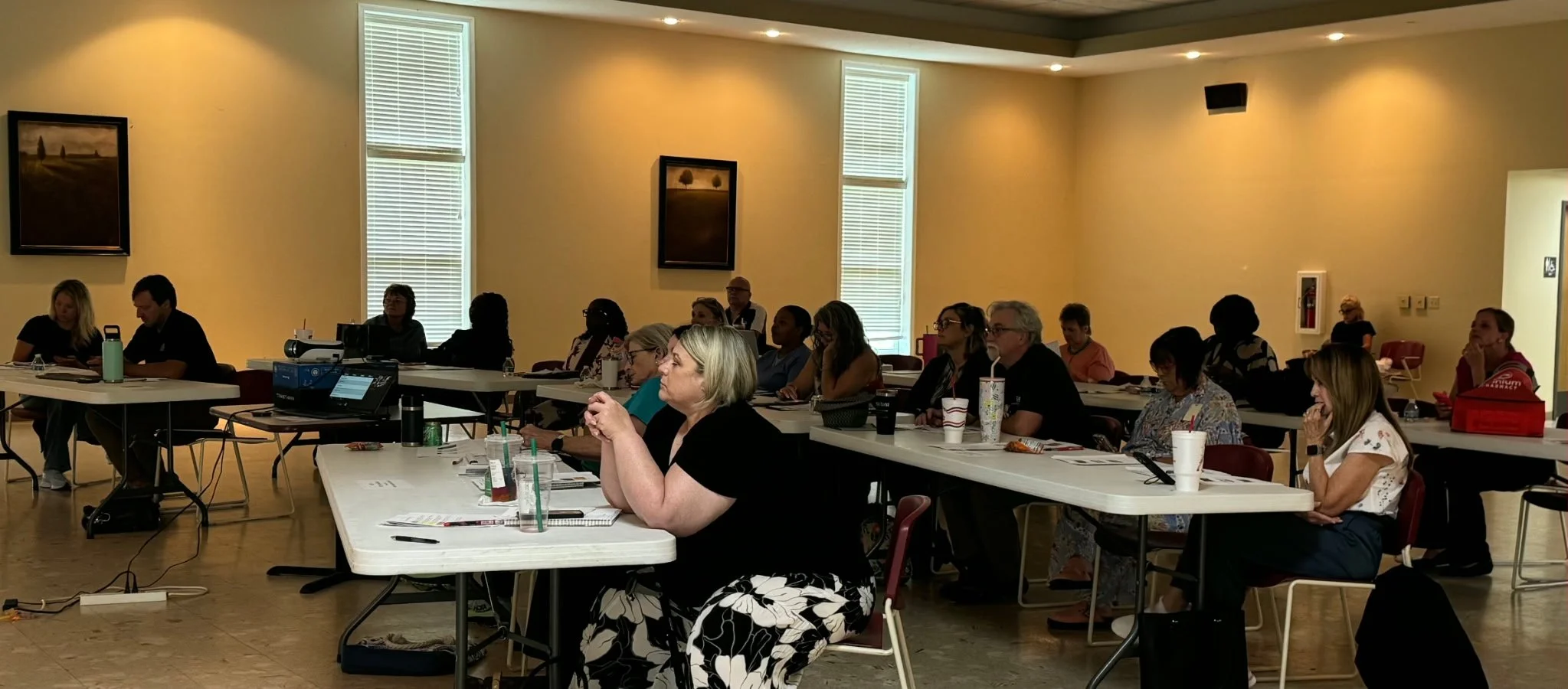
Liberty Roadshow 2026
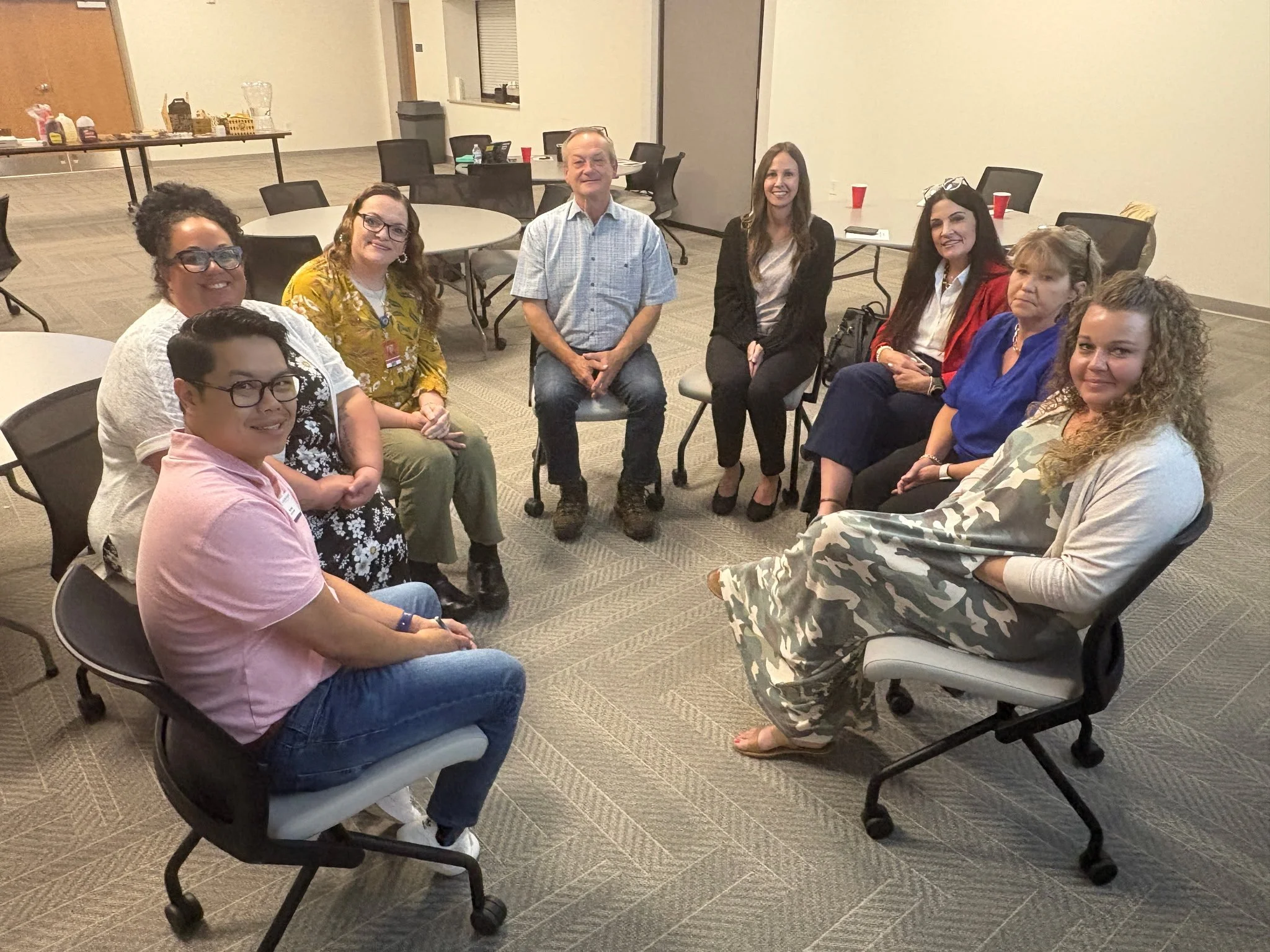
Springfield Summer Roadshow 2026
St. Louis Summer Roadshow 2026
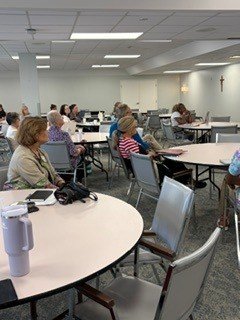
Summer Roadshow 2026
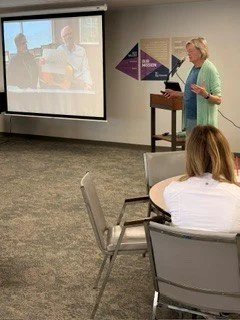
Ruth Minnema Speaking at the St. Louis Summer Roadshow 2026
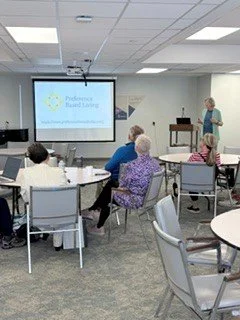
St. Louis Summer Roadshow 2026
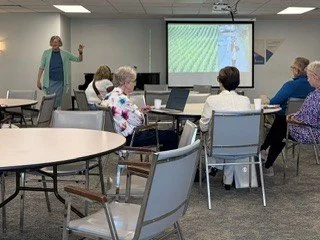
2026 Summer Roadshow St. Louis
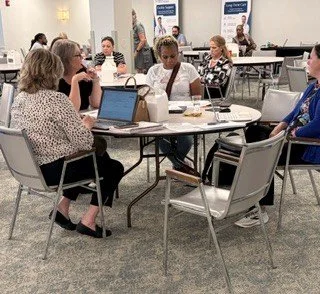
St. Louis Summer Roadshow 2026
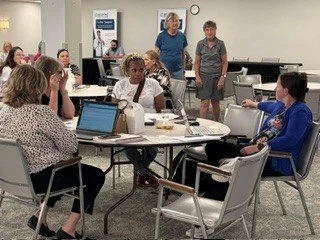
St. Louis Summer Roadshow 2026
Thank you to the Friends of MC5 for sponsoring MC5! Martin Bros Distributing, EverSpring Pharmacy, and Guardian Pharmacy.








Remember the best of humanity lies within. A kind word, a smile, a hug, a wave, a silly dance, a comedy show to share from YouTube, a card or phone call--this is person-centered care. Celebrate. Communicate. Collaborate. Care. Change. MC5 appreciates YOU. If you need ideas for reaching out to your communities, contact us at missourimc5@gmail.com.
The MC5 Mission:
To promote and support ongoing collaboration within the adult care continuum to create environments where the dignity and value of each individual who lives or works there is respected and celebrated. MC5 uses Communication and Education to share and advance the philosophy and vision of person-centered care across the adult care continuum.
Programs and educational materials are provided without regard to race, color, religion, age, gender, sexual orientation, disability (mental or physical), communicable disease, or place of national origin.